
Граніт – це вид магматичної породи, яку видобувають завдяки її надзвичайній міцності, щільності, довговічності та стійкості до корозії. Але граніт також дуже універсальний – він підходить не лише для квадратів і прямокутників! Насправді, ми впевнено регулярно працюємо з гранітними компонентами, розробленими у формах, кутах і вигинах усіх варіацій, і отримуємо чудові результати.
Завдяки нашій найсучаснішій обробці, поверхні різу можуть бути надзвичайно плоскими. Ці якості роблять граніт ідеальним матеріалом для створення нестандартних розмірів та дизайну основ машин і метрологічних компонентів. Граніт:
■ оброблюваний
■ ідеально рівна поверхня після розрізання та обробки
■ стійкий до іржі
■ довговічний
■ довготривалий
Гранітні компоненти також легко чистити. Створюючи індивідуальні дизайни, обов’язково оберіть граніт завдяки його чудовим перевагам.
СТАНДАРТИ / ЗАСТОСУВАННЯ ДО ВИСОКОГО ЗНОСУ
Граніт, який використовується ZHHIMG для наших стандартних поверхневих плит, має високий вміст кварцу, що забезпечує більшу стійкість до зносу та пошкоджень. Наші кольори Superior Black мають низький коефіцієнт водопоглинання, що мінімізує ймовірність іржі ваших точних вимірювальних приладів під час встановлення на плити. Кольори граніту, що пропонуються ZHHIMG, забезпечують менше відблисків, а це означає менше навантаження на очі людей, які користуються плитами. Ми вибирали наші типи граніту з урахуванням теплове розширення, щоб мінімізувати цей аспект.
СПЕЦІАЛЬНІ ЗАСТОСУНКИ
Якщо для вашого застосування потрібна плита з нестандартними формами, різьбовими вставками, пазами або іншою обробкою, вам слід вибрати такий матеріал, як чорний Jinan Black. Цей натуральний матеріал пропонує чудову жорсткість, чудове гасіння вібрацій та покращену оброблюваність.
Важливо зазначити, що сам по собі колір не є показником фізичних якостей каменю. Загалом, колір граніту безпосередньо пов'язаний з наявністю або відсутністю мінералів, що може не мати жодного впливу на якості, що роблять його хорошим матеріалом для поверхневих плит. Існують рожеві, сірі та чорні граніти, які чудово підходять для поверхневих плит, а також чорні, сірі та рожеві граніти, які абсолютно не підходять для точних застосувань. Критичні характеристики граніту, що стосуються його використання як матеріалу для поверхневих плит, не мають нічого спільного з кольором і є наступними:
■ Жорсткість (прогин під навантаженням - позначається модулем пружності)
■ Твердість
■ Щільність
■ Зносостійкість
■ Стабільність
■ Пористість
Ми протестували багато гранітних матеріалів та порівняли їх. Зрештою, ми отримали результат: чорний граніт Цзінань – найкращий матеріал, який ми коли-небудь знали. Індійський чорний граніт та південноафриканський граніт схожі на чорний граніт Цзінань, але їхні фізичні властивості гірші. ZHHIMG продовжуватиме шукати більше гранітних матеріалів у світі та порівнювати їхні фізичні властивості.
Щоб дізнатися більше про граніт, який підійде для вашого проекту, зв'яжіться з намиinfo@zhhimg.com.
Різні виробники використовують різні стандарти. У світі існує багато стандартів.
Стандарт DIN, ASME B89.3.7-2013 або Федеральна специфікація GGG-P-463c (гранітні поверхневі плити) тощо як основу для їхніх специфікацій.
І ми можемо виготовити прецизійну інспекційну плиту з граніту відповідно до ваших вимог. Звертайтеся до нас, якщо ви хочете дізнатися більше про інші стандарти.
Плоскість можна розглядати як розташування всіх точок на поверхні в межах двох паралельних площин: базової площини та площини даху. Вимірювання відстані між площинами є загальною площинністю поверхні. Це вимірювання площинності зазвичай має допуск і може включати позначення класу.
Наприклад, допуски площинності для трьох стандартних марок сталі визначені у федеральній специфікації за такою формулою:
■ Лабораторний клас AA = (40 + квадрат діагоналі / 25) x 0,000001 дюйма (односторонній)
■ Ступінь перевірки A = Лабораторний клас AA x 2
■ Інструментальна кімната класу B = лабораторна класу AA x 4.
Для поверхневих плит стандартного розміру ми гарантуємо допуски площинності, які перевищують вимоги цієї специфікації. Окрім площинності, ASME B89.3.7-2013 та Федеральна специфікація GGG-P-463c охоплюють такі теми, як: точність повторюваних вимірювань, властивості матеріалів гранітних поверхневих плит, обробка поверхні, розташування точок опори, жорсткість, прийнятні методи контролю, встановлення різьбових вставок тощо.
Гранітні поверхневі плити та гранітні інспекційні плити ZHHIMG відповідають або перевищують усі вимоги, викладені в цій специфікації. Наразі не існує визначальної специфікації для гранітних кутових плит, паралельних плит або квадратів.
А формули для інших стандартів ви можете знайти вЗАВАНТАЖИТИ.
По-перше, важливо підтримувати чистоту пластини. Абразивний пил, що переноситься повітрям, зазвичай є найбільшим джерелом зносу пластини, оскільки він має тенденцію вбудовуватися в заготовки та контактні поверхні калібрів. По-друге, накрийте пластину, щоб захистити її від пилу та пошкоджень. Термін служби можна подовжити, накриваючи пластину, коли вона не використовується, періодично обертаючи пластину, щоб одна ділянка не отримувала надмірного навантаження, та замінюючи сталеві контактні площадки на калібрувальному приладі на твердосплавні. Також уникайте класти їжу або безалкогольні напої на пластину. Зверніть увагу, що багато безалкогольних напоїв містять вугільну або фосфорну кислоту, які можуть розчиняти м’якші мінерали та залишати невеликі заглиблення на поверхні.
Це залежить від того, як використовується тарілка. Якщо можливо, ми рекомендуємо чистити тарілку на початку дня (або робочої зміни) і знову в кінці. Якщо тарілка забруднюється, особливо маслянистими або липкими рідинами, її, ймовірно, слід негайно очистити.
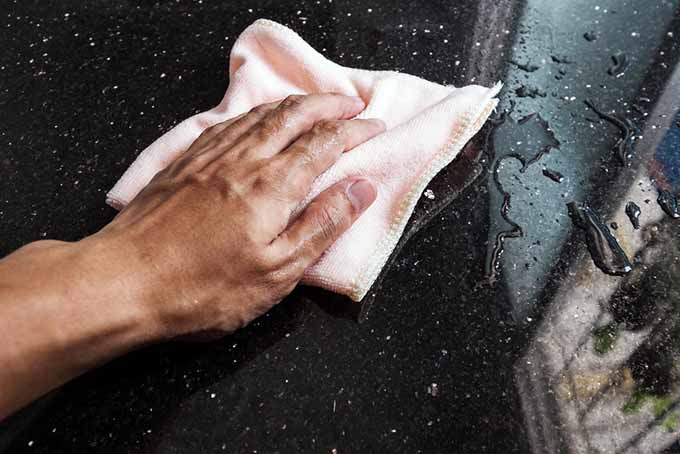
Регулярно очищуйте пластину рідким або безводним засобом для очищення поверхонь пластин ZHHIMG. Вибір розчинів для чищення є важливим. Якщо використовується леткий розчинник (ацетон, розчинник для лаку, спирт тощо), випаровування охолоджуватиме поверхню та деформуватиме її. У цьому випадку необхідно дати пластині нормалізуватися перед використанням, інакше виникнуть похибки вимірювання.
Час, необхідний для нормалізації пластини, залежить від її розміру та тривалості охолодження. Години має бути достатньо для менших пластин. Для більших пластин може знадобитися дві години. Якщо використовується засіб для чищення на водній основі, також відбудеться деяке випаровування.
Пластина також утримуватиме воду, і це може спричинити іржавіння металевих деталей, що контактують з поверхнею. Деякі засоби для чищення також залишають липкий залишок після висихання, який притягуватиме пил, що переноситься повітрям, і фактично збільшить знос, а не зменшить його.
Це залежить від використання плити та навколишнього середовища. Ми рекомендуємо повністю перекалібрувати нову плиту або прецизійний гранітний аксесуар протягом одного року з моменту покупки. Якщо гранітна плита буде інтенсивно використовуватися, можливо, варто скоротити цей інтервал до шести місяців. Щомісячна перевірка на наявність повторних помилок вимірювання за допомогою електронного рівня або подібного пристрою покаже будь-які плями зносу, що розвиваються, і займає лише кілька хвилин. Після визначення результатів першого перекалібрування інтервал калібрування може бути подовжено або скорочено, як це дозволено або вимагається вашою внутрішньою системою якості.
Ми можемо запропонувати послуги з перевірки та калібрування вашої гранітної плити.

Існує кілька можливих причин відхилень між калібруваннями:
- Поверхню перед калібруванням промивали гарячим або холодним розчином, і їй не давали достатньо часу для нормалізації
- Пластина неправильно закріплена
- Зміна температури
- Чернетки
- Прямі сонячні промені або інше випромінювання на поверхню тарілки. Переконайтеся, що верхнє освітлення не нагріває поверхню.
- Коливання вертикального градієнта температури між зимою та літом (Якщо можливо, знайте вертикальний градієнт температури на момент калібрування).
- Пластині не дали достатньо часу для нормалізації після відвантаження
- Неправильне використання інспекційного обладнання або використання некаліброваного обладнання
- Зміна поверхні внаслідок зносу
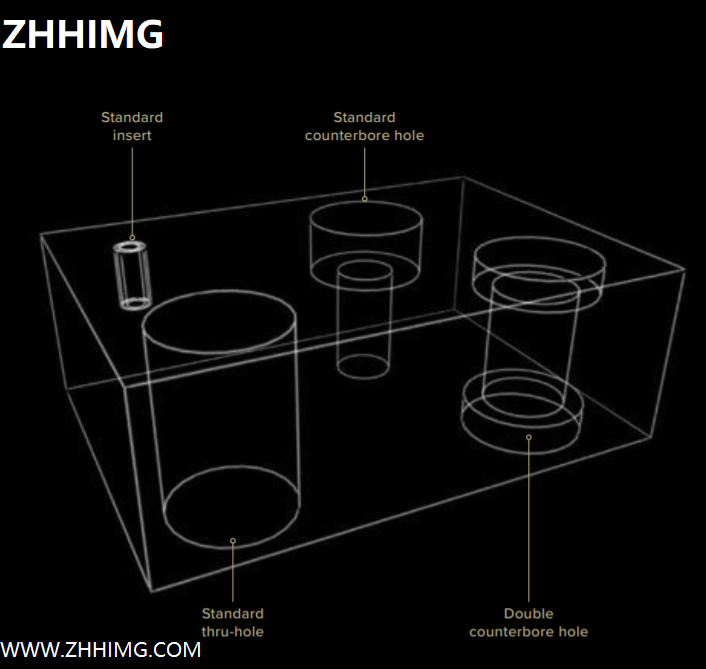
Скільки видів отворів на прецизійному граніті?
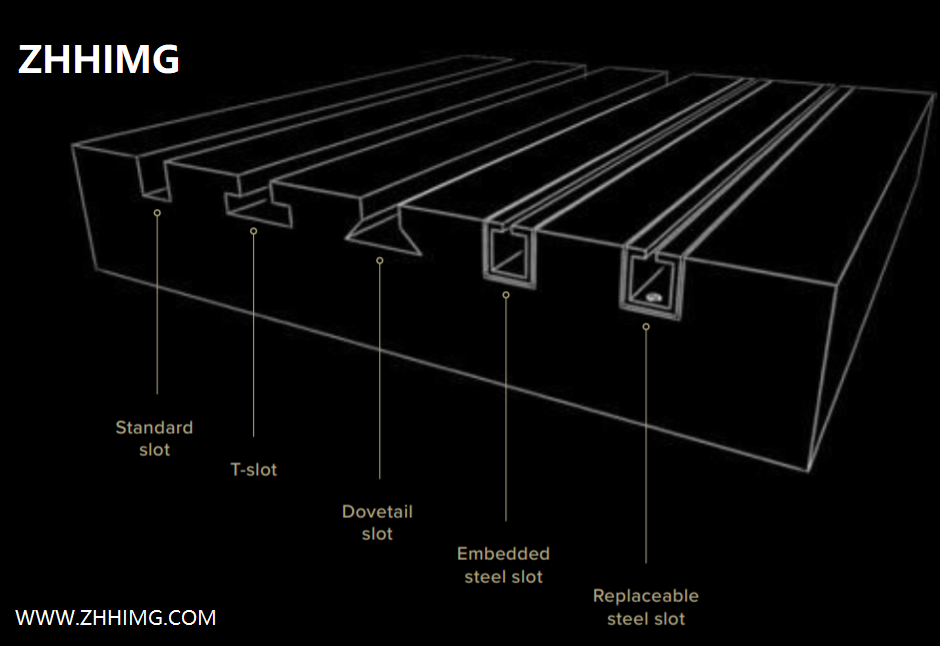
Пази на прецизійних гранітних компонентах
Для багатьох заводів, інспекційних кімнат та лабораторій прецизійні гранітні накладні плити є основою для точних вимірювань. Оскільки кожне лінійне вимірювання залежить від точної опорної поверхні, з якої знімаються кінцеві розміри, накладні плити забезпечують найкращу опорну площину для контролю роботи та розмітки перед обробкою. Вони також є ідеальними основами для вимірювання висоти та вимірювання поверхонь. Крім того, високий ступінь площинності, стабільності, загальної якості та виконання роблять їх гарним вибором для монтажу складних механічних, електронних та оптичних вимірювальних систем. Для будь-якого з цих процесів вимірювання вкрай важливо калібрувати накладні плити.
Повторні вимірювання та площинність
Як площинність, так і повторні вимірювання є критично важливими для забезпечення точної поверхні. Плоскість можна розглядати як усі точки на поверхні, що містяться в межах двох паралельних площин: базової площини та площини даху. Вимірювання відстані між площинами є загальною площинністю поверхні. Це вимірювання площинності зазвичай має допуск і може включати позначення класу.
Допуски площинності для трьох стандартних марок сталі визначені у федеральній специфікації за такою формулою:
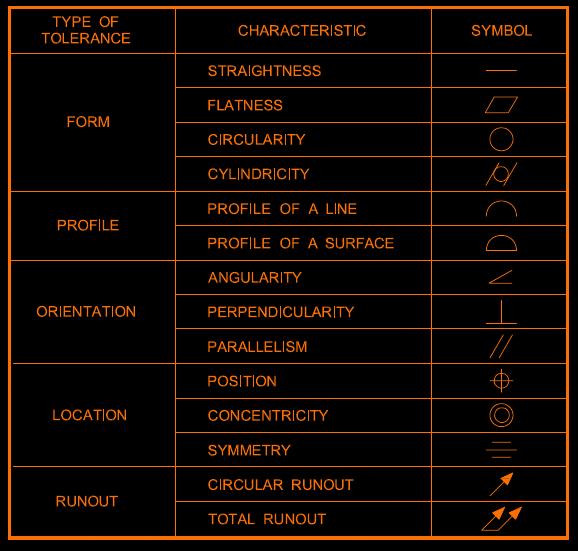
Стандарт DIN, стандарт GB, стандарт ASME, стандарт JJS... різні країни з різними стійками...
Окрім площинності, необхідно забезпечити повторюваність. Повторне вимірювання – це вимірювання локальних площин. Це вимірювання, що проводиться в будь-якому місці поверхні пластини та повторюється в межах зазначеного допуску. Контроль локальної площинності до меншого допуску, ніж загальна площинність, гарантує поступову зміну профілю площинності поверхні, тим самим мінімізуючи локальні похибки.
Щоб забезпечити відповідність поверхневої плити вимогам як щодо площинності, так і щодо повторних вимірювань, виробники гранітних поверхневих плит повинні використовувати Федеральну специфікацію GGG-P-463c як основу для своїх специфікацій. Цей стандарт стосується точності повторних вимірювань, властивостей матеріалу гранітної поверхневої плити, обробки поверхні, розташування точок опори, жорсткості, прийнятних методів контролю та встановлення різьбових вставок.
Перевірка точності пластини
Дотримуючись кількох простих правил, інвестиція в гранітну поверхневу плиту має прослужити багато років. Залежно від використання плити, умов майстерні та необхідної точності, частота перевірки точності поверхневої плити варіюється. Загальне правило полягає в тому, що нова плита має пройти повне перекалібрування протягом одного року з моменту покупки. Якщо плита використовується часто, рекомендується скоротити цей інтервал до шести місяців.
Перш ніж поверхнева плита зноситься понад норму загальної площинності, на ній з'являться зношені або хвилясті штифти. Щомісячна перевірка на наявність похибок повторних вимірювань за допомогою індикатора повторного зчитування дозволить виявити плями зносу. Індикатор повторного зчитування – це високоточний прилад, який виявляє локальні похибки та може відображатися на електронному підсилювачі з великим збільшенням.
Ефективна програма інспекції повинна включати регулярні перевірки за допомогою автоколіматора, що забезпечує фактичне калібрування загальної площинності, що простежується до Національного інституту стандартів і технологій (NIST). Час від часу необхідне комплексне калібрування виробником або незалежною компанією.
Варіації між калібруваннями
У деяких випадках існують відмінності між калібруваннями поверхневих плит. Іноді такі фактори, як зміна поверхні внаслідок зносу, неправильне використання контрольного обладнання або використання некаліброваного обладнання, можуть пояснювати ці відмінності. Однак двома найпоширенішими факторами є температура та опора.
Однією з найважливіших змінних є температура. Наприклад, поверхню могли помити гарячим або холодним розчином перед калібруванням і не дати їй достатньо часу для нормалізації. Інші причини зміни температури включають протяги холодного або гарячого повітря, прямі сонячні промені, верхнє освітлення або інші джерела променистого тепла на поверхні пластини.
Також можуть бути коливання вертикального градієнта температури між зимою та літом. У деяких випадках пластині не дають достатньо часу для нормалізації після відвантаження. Рекомендується записати вертикальний градієнт температури під час калібрування.
Ще однією поширеною причиною відхилення калібрування є неправильно закріплена пластина. Поверхневу пластину слід спирати на три точки, ідеально розташовані на відстані 20% довжини від торців пластини. Дві опори повинні бути розташовані на відстані 20% ширини від довгих сторін, а решта опори повинна бути відцентрована.
Тільки три точки можуть міцно спиратися на щось, окрім прецизійної поверхні. Спроба підтримувати пластину більш ніж у трьох точках призведе до того, що пластина отримуватиме свою опору від різних комбінацій трьох точок, які не будуть тими ж трьома точками, на яких вона спиралася під час виробництва. Це призведе до похибок, оскільки пластина відхилятиметься, щоб пристосуватися до нового розташування опор. Розгляньте можливість використання сталевих стійок з опорними балками, призначеними для вирівнювання з відповідними точками опори. Стійки для цієї мети зазвичай можна придбати у виробника поверхневих пластин.
Якщо пластина правильно підтримується, точне вирівнювання необхідне лише за умови, що це передбачено застосуванням. Вирівнювання не є необхідним для підтримки точності правильно підтримуваної пластини.
Збільшення терміну служби пластини
Дотримання кількох правил зменшить знос гранітної поверхні та, зрештою, продовжить термін її служби.
По-перше, важливо підтримувати чистоту пластини. Абразивний пил, що переноситься повітрям, зазвичай є найбільшим джерелом зносу пластини, оскільки він має тенденцію вбудовуватися в заготовки та контактні поверхні калібрів.
Також важливо накривати пластини, щоб захистити їх від пилу та пошкоджень. Термін служби можна подовжити, накриваючи пластину, коли вона не використовується.
Періодично повертайте пластину, щоб одна ділянка не отримувала надмірного навантаження. Також рекомендується замінити сталеві контактні площадки на калібрувальних поверхнях на твердосплавні.
Уникайте класти їжу чи безалкогольні напої на тарілку. Багато безалкогольних напоїв містять вугільну або фосфорну кислоту, які можуть розчиняти м’якші мінерали та залишати невеликі заглиблення на поверхні.
Де можна відпочити
Коли гранітна плита потребує відновлення поверхні, подумайте, чи слід виконувати цю послугу на місці, чи в калібрувальному центрі. Завжди краще, щоб плита була перешліфована на заводі або в спеціально обладнаному центрі. Однак, якщо плита не надто сильно зношена, зазвичай в межах 0,001 дюйма від необхідного допуску, її можна перешліфувати на місці. Якщо плита зношена до точки, коли вона виходить за межі допуску більш ніж на 0,001 дюйма, або якщо вона сильно пошкоджена чи подряпана, то її слід відправити на завод для шліфування перед перешліфуванням.
Калібрувальний центр має обладнання та заводські налаштування, що забезпечують оптимальні умови для належного калібрування пластин та повторної обробки, якщо це необхідно.
Слід ретельно підійти до вибору техніка з калібрування та відновлення поверхні на місці. Запитайте про акредитацію та перевірте, чи має обладнання, яке використовуватиме технік, простежуване калібрування. Досвід також є важливим фактором, оскільки потрібно багато років, щоб навчитися правильно шліфувати прецизійний граніт.
Критичні вимірювання починаються з прецизійної гранітної поверхні як базової точки. Забезпечуючи надійне відлікове значення за допомогою правильно відкаліброваної поверхні, виробники отримують один з найважливіших інструментів для надійних вимірювань та виготовлення деталей кращої якості.Q
Контрольний список для варіацій калібрування
1. Поверхню промивали гарячим або холодним розчином перед калібруванням і не давали їй достатньо часу для нормалізації.
2. Пластина неправильно закріплена.
3. Зміна температури.
4. Чернетки.
5. Прямі сонячні промені або інші джерела тепла потрапляють на поверхню тарілки. Переконайтеся, що верхнє освітлення не нагріває поверхню.
6. Коливання вертикального градієнта температури між зимою та літом. Якщо можливо, знайте вертикальний градієнт температури на момент калібрування.
7. Пластині не дали достатньо часу для нормалізації після відвантаження.
8. Неправильне використання інспекційного обладнання або використання некаліброваного обладнання.
9. Зміна поверхні внаслідок зносу.
Поради щодо техніки
- Оскільки кожне лінійне вимірювання залежить від точної опорної поверхні, з якої знімаються кінцеві розміри, поверхневі плити забезпечують найкращу опорну площину для перевірки роботи та розмітки перед обробкою.
- Контроль локальної площинності з більш жорстким допуском, ніж загальна площинність, гарантує поступову зміну профілю площинності поверхні, тим самим мінімізуючи локальні похибки.
- Ефективна програма інспекції повинна включати регулярні перевірки за допомогою автоколіматора, що забезпечує фактичне калібрування загальної площинності, яке можна простежити до Національного інспекційного органу.
Серед мінеральних частинок, що складають граніт, понад 90% складають польовий шпат і кварц, з яких польовий шпат є найбільше. Польовий шпат часто буває білого, сірого та тілесно-червоного кольору, а кварц здебільшого безбарвний або сірувато-білий, що складає основний колір граніту. Польовий шпат і кварц – тверді мінерали, їх важко переміщати сталевим ножем. Що стосується темних плям у граніті, переважно чорної слюди, є й інші мінерали. Хоча біотит відносно м’який, його здатність протистояти напруженню не слабка, і водночас його кількість у граніті невелика, часто менше 10%. Це той стан матеріалу, за якого граніт особливо міцний.
Ще одна причина міцності граніту полягає в тому, що його мінеральні частинки щільно пов'язані одна з одною та вбудовані одна в одну. Пори часто становлять менше 1% від загального об'єму породи. Це дає граніту здатність витримувати сильний тиск і нелегко проникає вологою.
Гранітні компоненти виготовляються з каменю, який не іржавіє, стійкий до кислот і лугів, має добру зносостійкість і тривалий термін служби, не потребує спеціального обслуговування. Гранітні прецизійні компоненти здебільшого використовуються в інструментальній галузі машинобудування. Тому їх називають гранітними прецизійними компонентами або гранітними компонентами. Характеристики гранітних прецизійних компонентів в основному такі ж, як і у гранітних платформ. Вступ до інструментальної обробки та вимірювання гранітних прецизійних компонентів: Прецизійна обробка та технології мікрообробки є важливими напрямками розвитку машинобудівної промисловості та стали важливим показником для вимірювання високотехнологічного рівня. Розвиток передових технологій та оборонної промисловості невіддільний від прецизійної обробки та технологій мікрообробки. Гранітні компоненти можуть плавно ковзати під час вимірювання, не застоюючи. Вимірювання робочої поверхні, загальні подряпини не впливають на точність вимірювання. Гранітні компоненти повинні бути розроблені та виготовлені відповідно до вимог попиту.
Галузь застосування:
Як усім нам відомо, все більше машин та обладнання обирають прецизійні гранітні компоненти.
Гранітні компоненти використовуються для динамічного руху, лінійних двигунів, КММ, ЧПК, лазерних верстатів...
Ласкаво просимо зв'язатися з нами для отримання додаткової інформації.
Гранітні вимірювальні прилади та гранітні механічні компоненти виготовлені з високоякісного чорного граніту Цзінань. Завдяки високій точності, тривалому терміну служби, добрій стабільності та стійкості до корозії, вони дедалі частіше використовуються в інспекції продукції сучасної промисловості та таких наукових галузях, як механіка, аерокосміка та наукові дослідження.
Переваги
----Вдвічі міцніший за чавун;
----Мінімальні зміни розмірів зумовлені змінами температури;
----Без віджимання, тому немає переривання роботи;
----Без задирок або виступів завдяки дрібнозернистій структурі та незначній липкості, що забезпечує високий ступінь площинності протягом тривалого терміну служби та не пошкоджує інші деталі чи інструменти;
----Безпроблемна робота з магнітними матеріалами;
----Довгий термін служби та відсутність іржі, що призводить до низьких витрат на обслуговування.
Прецизійні гранітні поверхневі плити прецизійно оброблені до високого стандарту площинності для досягнення точності та використовуються як основа для монтажу складних механічних, електронних та оптичних вимірювальних систем.
Деякі унікальні особливості гранітної поверхневої плити:
Однорідність твердості;
Точні умови під навантаженням;
Поглинач вібрації;
Легко чистити;
Стійкий до обгортання;
Низька пористість;
Неабразивний;
Немагнітний
Переваги гранітної поверхневої плити
По-перше, порода після тривалого періоду природного старіння має однорідну структуру, мінімальний коефіцієнт, внутрішні напруження повністю зникають, не деформуються, тому точність висока.
По-друге, не буде подряпин, не за постійних температурних умов, при кімнатній температурі також може підтримувати точність вимірювання температури.
По-третє, не намагнічується, вимірювання може бути плавним рухом, без скрипу, не піддається впливу вологи, площина фіксована.
По-четверте, жорсткість хороша, твердість висока, стійкість до стирання висока.
П'ять, не боїться кислоти, лужної рідинної ерозії, не іржавіє, не потрібно фарбувати олією, не легко липне мікропил, просте обслуговування, легке обслуговування, тривалий термін служби.
Чому варто обрати гранітну основу замість чавунного верстата?
1. Гранітна основа верстата може підтримувати вищу точність, ніж чавунна. Чавунна основа верстата легко піддається впливу температури та вологості, на відміну від гранітної;
2. З однаковим розміром гранітної та чавунної основи, гранітна основа машини є більш економічно ефективною, ніж чавунна;
3. Спеціальну гранітну основу машини легше обробити, ніж чавунну основу машини.
Гранітні поверхневі плити є ключовими інструментами в інспекційних лабораторіях по всій країні. Калібрована, надзвичайно плоска поверхня поверхневої плити дозволяє інспекторам використовувати її як основу для перевірки деталей та калібрування інструментів. Без стабільності, яку забезпечують поверхневі плити, багато деталей з жорсткими допусками в різних технологічних та медичних галузях було б набагато складніше, якщо не неможливо, правильно виготовити. Звичайно, щоб використовувати гранітний поверхневий блок для калібрування та перевірки інших матеріалів та інструментів, необхідно оцінити точність самого граніту. Користувачі можуть калібрувати гранітну поверхневу плиту, щоб забезпечити її точність.
Перед калібруванням очистіть гранітну поверхню. Налийте невелику кількість засобу для чищення поверхонь на чисту м’яку тканину та протріть поверхню граніту. Негайно витріть засіб насухо з поверхні сухою тканиною. Не допускайте висихання засобу на повітрі.
Помістіть повторний вимірювальний калібр у центр гранітної плити.
Встановіть нульовий вимірювальний калібр на поверхню гранітної плити.
Повільно переміщуйте калібр по поверхні граніту. Слідкуйте за індикатором калібру та фіксуйте піки будь-яких коливань висоти під час переміщення приладу по пластині.
Порівняйте різницю площинності поверхні плити з допусками для вашої поверхневої плити, які залежать від розміру плити та ступеня площинності граніту. Зверніться до федеральної специфікації GGG-P-463c (див. Ресурси), щоб визначити, чи відповідає ваша плита вимогам площинності для її розміру та ступеня площинності. Різниця між найвищою та найнижчою точками плити є мірою її площинності.
Перевірте, чи найбільші коливання глибини на поверхні пластини відповідають вимогам повторюваності для пластини такого розміру та сорту. Зверніться до федеральної специфікації GGG-P-463c (див. Ресурси), щоб визначити, чи відповідає ваша пластина вимогам повторюваності для свого розміру. Відбракуйте поверхневу пластину, якщо навіть одна точка не відповідає вимогам повторюваності.
Припиніть використання гранітної плити, яка не відповідає федеральним вимогам. Поверніть плиту виробнику або компанії з обробки гранітних поверхонь, щоб блок повторно відполірували відповідно до специфікацій.
Чайові
Виконуйте офіційне калібрування принаймні раз на рік, хоча гранітні плити, що інтенсивно використовуються, слід калібрувати частіше.
Формальне, реєстроване калібрування у виробничих або інспекційних середовищах часто проводиться службою контролю якості або зовнішнім постачальником послуг калібрування, хоча будь-хто може використовувати повторний вимірювальний прилад для неофіційної перевірки поверхневої пластини перед використанням.
Рання історія гранітних поверхневих плит
До Другої світової війни виробники використовували сталеві поверхневі пластини для контролю розмірів деталей. Під час Другої світової війни потреба в сталі різко зросла, і багато сталевих поверхневих пластин було переплавлено. Потрібна була заміна, і граніт став матеріалом вибору завдяки своїм чудовим метрологічним властивостям.
Стало очевидним кілька переваг граніту над сталлю. Граніт твердіший, хоча й більш крихкий і схильний до сколів. Ви можете обробити граніт до набагато більшої площинності та швидше, ніж сталь. Граніт також має бажану властивість меншого теплового розширення порівняно зі сталлю. Крім того, якщо сталеву пластину потрібно було ремонтувати, її доводилося вручну шкребти майстрам, які також застосовували свої навички у відновленні верстатів.
До речі, деякі сталеві поверхневі плити використовуються й донині.
Метрологічні властивості гранітних плит
Граніт — це магматична порода, що утворилася внаслідок вивержень вулканів. Для порівняння, мармур — це метаморфізований вапняк. Для метрологічного використання обраний граніт повинен відповідати певним вимогам, викладеним у Федеральній специфікації GGG-P-463c, яка відтепер називається Fed Specs, а саме в Частині 3.1 3.1. Серед Fed Specs граніт повинен мати дрібнозернисту або середньозернисту текстуру.
Граніт – твердий матеріал, але його твердість варіюється з кількох причин. Досвідчений технік з гранітних плит може оцінити твердість за його кольором, який вказує на вміст кварцу. Твердість граніту – це властивість, яка частково визначається кількістю кварцу та відсутністю слюди. Червоні та рожеві граніти, як правило, найтвердіші, сірі – середньої твердості, а чорні – найм’якші.
Модуль пружності Юнга використовується для вираження гнучкості або позначення твердості каменю. Рожевий граніт має в середньому 3-5 балів за шкалою, сірий - 5-7 балів, а чорний - 7-10 балів. Чим менше число, тим твердіший граніт, як правило, є. Чим більше число, тим м'якший і гнучкіший граніт. Важливо знати твердість граніту, вибираючи товщину, необхідну для ступенів допуску, а також вагу деталей і калібрів, що розміщуються на ньому.
У минулому, коли існували справжні машиністи, відомі за книжками з тригонометричними таблицями в кишенях сорочок, чорний граніт вважався «найкращим». Найкращим визначався тип, який мав найбільшу стійкість до зносу або був твердішим. Одним з недоліків є те, що твердіші граніти легше відколюються або подряпаються. Машиністи були настільки переконані, що чорний граніт найкращий, що деякі виробники рожевого граніту фарбували його в чорний колір.
Я особисто бачив, як плиту впали з вилкового навантажувача під час переміщення зі складу. Плита вдарилася об підлогу та розколола навпіл, відкривши справжній рожевий колір. Будьте обережні, якщо плануєте купувати чорний граніт з Китаю. Ми рекомендуємо вам витрачати свої гроші якось інакше. Гранітна плита може мати різну твердість. Смужка кварцу може бути набагато твердішою, ніж решта поверхні плити. Шар чорного габро може зробити ділянку набагато м'якшою. Добре навчені, досвідчені фахівці з ремонту поверхневих плит знають, як поводитися з цими м'якими ділянками.
Класи поверхневих плит
Існує чотири марки поверхневих плит: лабораторні марки AA та A, для кімнатної інспекції марки B, і четверта - для майстерні. Марки AA та A є найплоскішими з допусками площинності краще, ніж 0,00001 дюйма для плити марки AA. Майстерні марки є найменш плоскими і, як випливає з назви, призначені для використання в інструментальних цехах. Тоді як марки AA, A та B призначені для використання в інспекційній лабораторії або лабораторії контролю якості.
PТестування Roper для калібрування поверхневої пластини
Я завжди казав своїм клієнтам, що можу витягнути будь-яку 10-річну дитину з церкви та за кілька днів навчити її перевіряти тарілку. Це нескладно. Для швидкого виконання завдання потрібна певна техніка, техніка, яку засвоюєш з часом та багаторазовим повторенням. Повинен повідомити вас, і я не можу не підкреслити, що Fed Spec GGG-P-463c НЕ є процедурою калібрування! Детальніше про це пізніше.
Калібрування загальної площинності (середня панель) та перевірок повторюваності (локалізованого зносу) є обов'язковим згідно з федеральними специфікаціями. Єдиним винятком є малі пластини, де потрібна лише повторюваність.
Також, і це так само важливо, як і інші тести, є тест на температурні градієнти. (Див. Дельта Т нижче)
Рисунок 1
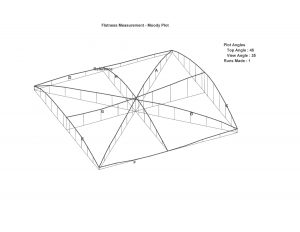
Перевірка площинності має 4 затверджені методи. Електронні рівні, автоколімація, лазер та пристрій, відомий як локатор площин. Ми використовуємо лише електронні рівні, оскільки вони є найточнішим і найшвидшим методом з кількох причин.
Лазери та автоколіматори використовують дуже прямий промінь світла як орієнтир. Вимірювання прямолінійності поверхні гранітної плити проводиться шляхом порівняння зміни відстані між поверхнею плити та світловим променем. Якщо взяти прямий промінь світла, направити його на відбивач, одночасно переміщуючи відбивач вниз по поверхні плити, відстань між випромінюваним променем та зворотним променем є вимірюванням прямолінійності.
Ось у чому проблема цього методу. На ціль та джерело впливають вібрація, температура навколишнього середовища, нерівна або подряпана ціль, забруднення повітря та рух повітря (струми). Усе це вносить додаткові складові похибки. Крім того, внесок похибки оператора від перевірок за допомогою автоколіматора є більшим.
Досвідчений користувач автоколіматора може робити дуже точні вимірювання, але все одно стикається з проблемами стабільності показань, особливо на великих відстанях, оскільки відбиття мають тенденцію до розширення або дещо розмивання. Крім того, не ідеально плоска ціль та тривалий день спостереження через об'єктив призводять до додаткових похибок.
Пристрій для визначення площини – це просто дурість. Цей пристрій використовує дещо прямий (порівняно з надзвичайно прямим колімованим або лазерним променем світла) як орієнтир. Механічний пристрій не тільки використовує індикатор, який зазвичай має роздільну здатність лише 20 мкм, але й непрямолінійність стрижня та різні матеріали значно додають похибок у вимірюванні. На нашу думку, хоча метод є прийнятним, жодна компетентна лабораторія ніколи не використовуватиме пристрій для визначення площини як інструмент для остаточного контролю.
Електронні рівні використовують силу тяжіння як орієнтир. Диференціальні електронні рівні не залежать від вібрації. Вони мають роздільну здатність до 0,1 кутової секунди, вимірювання швидкі, точні, і досвідчений оператор вносить дуже малу похибку. Ні локатори площин, ні автоколіматори не надають комп'ютерно згенерованих топографічних (рис. 1) або ізометричних графіків (рис. 2) поверхні.
Рисунок 2
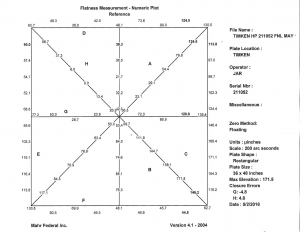
Тест на правильну площинність поверхні
Правильна площинність поверхні під час випробування є настільки важливою частиною цієї роботи, що я мав би розмістити її на початку. Як зазначалося раніше, Федеральна специфікація GGG-p-463c НЕ Є методом калібрування. Вона служить керівництвом для багатьох аспектів метрологічного граніту, цільовим покупцем якого є будь-яке федеральне урядове агентство, включаючи методи випробувань та допуски або марки. Якщо підрядник стверджує, що він дотримувався Федеральних специфікацій, тоді значення площинності має визначатися методом Муді.
Муді був хлопцем ще з 50-х років, який розробив математичний метод для визначення загальної площинності та врахування орієнтації тестованих ліній, чи вони достатньо близькі в одній площині. Нічого не змінилося. Allied Signal спробувала вдосконалити математичний метод, але дійшла висновку, що відмінності настільки малі, що зусилля не варті того.
Якщо підрядник з обробки поверхневих плит використовує електронні рівні або лазер, він використовує комп'ютер для допомоги у обчисленнях. Без допомоги комп'ютера технік, який використовує автоколімацію, повинен обчислювати показники вручну. Насправді вони цього не роблять. Це займає забагато часу і, відверто кажучи, може бути надто складним. Під час перевірки площинності за методом Муді технік перевіряє вісім ліній у конфігурації британського прапора на прямолінійність.
Метод Муді
Метод Муді — це математичний спосіб визначити, чи вісім ліній знаходяться на одній площині. В іншому випадку у вас є лише 8 прямих ліній, які можуть бути або не бути на одній площині або поблизу неї. Крім того, підрядник, який стверджує, що дотримується специфікацій Fed Spec та використовує автоколімацію, вінповиненстворити вісім сторінок даних. Одна сторінка для кожної перевіреної лінії, щоб підтвердити проведення тестування, ремонту або і того, і іншого. В іншому випадку підрядник не матиме уявлення про реальне значення площинності.
Я впевнений, що якщо ви один із тих, чиї пластини калібрує підрядник за допомогою автоколімації, ви ніколи не бачили цих сторінок! Рисунок 3 – це прикладлише одинсторінка з восьми, необхідна для обчислення загальної площинності. Однією з ознак такого невігластва та злого умислу є те, що ваш звіт містить округлені числа. Наприклад, 200, 400, 650 тощо. Правильно обчислене значення є дійсним числом. Наприклад, 325,4 мкм дюймів. Коли підрядник використовує метод обчислень Муді, а технік обчислює значення вручну, ви повинні отримати вісім сторінок обчислень та ізометричний графік. Ізометричний графік показує різну висоту вздовж різних ліній та відстань між вибраними точками перетину.
Рисунок 3(Для ручного розрахунку площинності потрібно вісім таких сторінок. Обов'язково запитайте, чому ви цього не отримуєте, якщо ваш підрядник використовує автоколімацію!)
Рисунок 4
Техніки з вимірювання розмірів використовують диференціальні рівні (рис. 4) як переважні пристрої для вимірювання незначних змін кутовості від вимірювальної станції до станції. Рівні мають роздільну здатність до 0,1 кутової секунди (5 міль/дюймів з використанням 4-дюймових саней), надзвичайно стабільні, не залежать від вібрації, виміряних відстаней, повітряних потоків, втоми оператора, забруднення повітря або будь-яких проблем, властивих іншим пристроям. Додайте комп'ютерну допомогу, і завдання стає відносно швидким, створюючи топографічні та ізометричні графіки, що підтверджують перевірку та, що найважливіше, ремонт.
Правильний тест на повторюваність
Повторне зчитування або повторюваність є найважливішим тестом. Обладнання, яке ми використовуємо для проведення тесту на повторюваність, - це пристрій для повторного зчитування, LVDT та підсилювач, необхідний для зчитування з високою роздільною здатністю. Ми встановлюємо підсилювач LVDT на мінімальну роздільну здатність 10 мк дюймів або 5 мк дюймів для високоточних пластин.
Використання механічного індикатора з роздільною здатністю лише 20 мікродюймових дюймів марне, якщо ви намагаєтеся перевірити повторюваність на рівні 35 мікродюймових дюймів. Індикатори мають похибку 40 мікродюймових дюймів! Налаштування повторного зчитування імітує конфігурацію висотоміра/деталі.
Повторюваність НЕ те саме, що й загальна площинність (середня площина). Мені подобається думати про повторюваність граніту як про послідовне вимірювання радіуса.
Рисунок 5
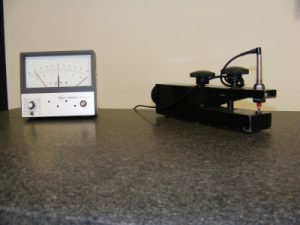
Якщо ви перевірите повторюваність круглої кулі, то продемонструєте, що радіус кулі не змінився. (Ідеальний профіль належним чином відремонтованої пластини має опуклу корончасту форму.) Однак очевидно, що куля не є плоскою. Ну, приблизно так. На надзвичайно короткій відстані вона є плоскою. Оскільки більшість контрольних робіт передбачає використання висотоміра дуже близько до деталі, повторюваність стає найважливішою властивістю гранітної пластини. Важливішою є загальна площинність, якщо тільки користувач не перевіряє прямолінійність довгої деталі.
Переконайтеся, що ваш підрядник проводить повторне зчитування результатів. Пластина може мати повторне зчитування, яке значно виходить за межі допустимого, але все одно пройти випробування на площинність! Дивовижно, але лабораторія може отримати акредитацію на випробування, яке не включає повторне зчитування результатів. Лабораторія, яка не може ремонтувати або не дуже добре вміє ремонтувати, воліє проводити лише випробування на площинність. Площинність рідко змінюється, якщо ви не переміщуєте пластину.
Найлегше перевірити повторне зчитування, але найважче виконати під час притирання. Переконайтеся, що ваш підрядник може відновити повторюваність, не «вигинаючи» поверхню та не залишаючи на ній хвиль.
Дельта-Т-тест
Цей тест включає вимірювання ДІЙСНОЇ температури каменю на його верхній та нижній поверхнях та обчислення різниці, Дельта Т, для звітності у сертифікаті.
Важливо знати, що середній коефіцієнт теплового розширення граніту становить 3,5 мкВ/дюйм/градус. Вплив температури навколишнього середовища та вологості на гранітну плиту незначний. Однак поверхня плити може вийти за межі допустимого значення або іноді покращитися, навіть якщо дельта-Т становить 0,3–0,5 градуса за Фаренгейтом. Необхідно знати, чи знаходиться дельта-Т в межах 0,12 градуса за Фаренгейтом від різниці з моменту останнього калібрування.
Також важливо знати, що робоча поверхня пластини мігрує в бік нагрівання. Якщо верхня температура тепліша за нижню, то верхня поверхня піднімається. Якщо нижня тепліша, що трапляється рідко, то верхня поверхня опускається. Менеджеру з якості або техніку недостатньо знати, що пластина рівна та повторювана під час калібрування або ремонту, але й знати, якою була її Delta T під час остаточного калібрувального випробування. У критичних ситуаціях користувач може, самостійно вимірявши Delta T, визначити, чи вийшла пластина за межі допуску виключно через коливання Delta T. На щастя, граніту потрібно багато годин або навіть днів, щоб акліматизуватися до середовища. Незначні коливання температури навколишнього середовища протягом дня не вплинуть на це. З цих причин ми не повідомляємо про температуру навколишнього середовища або вологість під час калібрування, оскільки вплив незначний.
Знос гранітної плити
Хоча граніт твердіший за сталеві плити, на його поверхні все одно утворюються заглиблення. Повторюване переміщення деталей та калібрів на поверхні плити є найбільшим джерелом зносу, особливо якщо одна й та сама ділянка постійно використовується. Бруд та шліфувальний пил, що залишаються на поверхні плити, прискорюють процес зношування, потрапляючи між деталями або калібрами та поверхнею граніту. Під час переміщення деталей та калібрів по її поверхні абразивний пил зазвичай є причиною додаткового зносу. Я наполегливо рекомендую постійно чистити плити, щоб зменшити їх. Ми спостерігали знос плит, спричинений щоденними доставками посилок UPS, розміщених поверх плит! Ці локалізовані ділянки зносу впливають на показники випробувань на повторюваність калібрування. Уникайте зносу, регулярно чистячи його.
Чищення гранітних плит
Щоб підтримувати чистоту пластини, використовуйте липку тканину для видалення пилу. Просто натисніть дуже злегка, щоб не залишити залишків клею. Добре використана липка тканина чудово збирає шліфувальний пил між чищеннями. Не працюйте в одному й тому ж місці. Переміщуйте установку по пластині, розподіляючи знос. Можна використовувати спирт для очищення пластини, але майте на увазі, що це тимчасово переохолодить поверхню. Вода з невеликою кількістю мила чудово підійде. Комерційно доступні засоби для чищення, такі як засіб для чищення Starrett's, також чудово підходять у використанні, але переконайтеся, що ви видалили всі залишки мила з поверхні.
Ремонт гранітної плити
Вже зараз має бути очевидною важливість того, щоб ваш підрядник з обробки поверхневих плит виконав компетентне калібрування. Лабораторії типу «Інформаційного центру», які пропонують програми «Зробіть все одним дзвінком», рідко мають техніка, який може виконати ремонт. Навіть якщо вони пропонують ремонт, у них не завжди є технік, який має необхідний досвід, коли поверхнева плита значно виходить за межі допустимих значень.
Якщо вам сказали, що пластину неможливо відремонтувати через сильний знос, зателефонуйте нам. Найімовірніше, ми зможемо її відремонтувати.
Наші техніки проходять навчання від одного до півтора року під керівництвом майстра-техніка з обробки поверхневих плит. Ми визначаємо майстра-техніка з обробки поверхневих плит як людину, яка пройшла навчання та має понад десять років досвіду калібрування та ремонту поверхневих плит. У Dimensional Gauge працює три майстри-техніки із сумарним досвідом роботи понад 60 років. Один з наших майстрів-техніків завжди доступний для підтримки та допомоги у складних ситуаціях. Усі наші техніки мають досвід калібрування поверхневих плит усіх розмірів, від малих до дуже великих, у різних умовах навколишнього середовища, різних галузях промисловості та у вирішенні серйозних проблем зі зносом.
Fed Specs мають конкретні вимоги до обробки від 16 до 64 середньої арифметичної шорсткості (AA). Ми віддаємо перевагу обробці в діапазоні 30-35 AA. Шорсткості достатньо, щоб деталі та калібри рухалися плавно та не прилипали до поверхні пластини.
Під час ремонту ми перевіряємо плиту на правильність кріплення та рівність. Ми використовуємо метод сухого притирання, але у випадках сильного зносу, що вимагає значного видалення граніту, ми використовуємо мокре притирання. Наші техніки прибирають за собою, вони працюють ретельно, швидко та точно. Це важливо, тому що вартість обслуговування гранітної плити включає ваш час простою та втрати виробництва. Грамотний ремонт має першорядне значення, і ніколи не слід вибирати підрядника за ціною чи зручністю. Деякі роботи з калібрування вимагають висококваліфікованих фахівців. У нас це є.
Заключні звіти про калібрування
Для кожного ремонту та калібрування поверхневої плити ми надаємо детальні професійні звіти. Наші звіти містять значну кількість як критичної, так і відповідної інформації. Fed Spec. вимагає більшість наданої нами інформації. За винятком тієї, що міститься в інших стандартах якості, таких як ISO/IEC-17025, мінімальні Fed Spec. для звітів:
- Розмір у футах (X' x X')
- Колір
- Стиль (стосується відсутності затискних виступів або двох чи чотирьох виступів)
- Розрахунковий модуль пружності
- Середня площинна толерантність (визначається сортом/розміром)
- Допуск повторного зчитування (визначається довжиною діагоналі в дюймах)
- Знайдена середня площина
- Середня площина зліва
- Повторіть читання, як знайдено
- Повторіть читання, як ліворуч
- Дельта Т (різниця температур між верхньою та нижньою поверхнями)
Якщо техніку потрібно виконати притирання або ремонтні роботи на поверхні плити, то до сертифіката калібрування додається топографічна або ізометрична діаграма, що підтверджує правильність ремонту.
Кілька слів про акредитації ISO/IEC-17025 та лабораторії, які їх мають
Те, що лабораторія має акредитацію з калібрування поверхневих пластин, не обов'язково означає, що вона знає, що робить, не кажучи вже про те, що робить це правильно! Це також не обов'язково означає, що лабораторія може ремонтувати. Акредитуючі органи не розрізняють перевірку чи калібрування (ремонт).Aі я знаю одного, можливо2акредитаційні органи, які будутьLкраваткаAстрічку навколо мого собаки, якби я заплатив їм достатньо грошей! Це сумний факт. Я бачив, як лабораторії отримували акредитацію, виконавши лише один із трьох необхідних тестів. Більше того, я бачив, як лабораторії отримували акредитацію з нереалістичними невизначеностями та отримували акредитацію без будь-яких доказів чи демонстрації того, як вони розрахували значення. Це все прикро.
Підсумовування
Не можна недооцінювати роль точних гранітних плит. Плоский орієнтир, який забезпечують гранітні плити, є основою, на якій ви проводите всі інші вимірювання.
Ви можете використовувати найсучасніші, найточніші та найуніверсальніші вимірювальні прилади. Однак точні вимірювання важко отримати, якщо контрольна поверхня не є плоскою. Одного разу потенційний клієнт сказав мені: «Ну, це ж просто камінь!» Я відповів: «Гаразд, ви маєте рацію, і ви точно не можете виправдати залучення експертів для обслуговування ваших поверхонь».
Ціна ніколи не є вагомою причиною для вибору підрядників з обробки поверхневих плит. Покупці, бухгалтери та тривожна кількість інженерів з якості не завжди розуміють, що повторна сертифікація гранітних плит не схожа на повторну сертифікацію мікрометра, штангенциркуля чи цифрового мультиметра.
Деякі інструменти вимагають експертних знань, а не низької ціни. З огляду на це, наші ціни дуже розумні. Особливо завдяки впевненості в тому, що ми виконуємо роботу правильно. Ми значно перевершуємо вимоги ISO-17025 та федеральних специфікацій за додатковою вартістю.
Поверхневі пластини є основою для багатьох вимірювань розмірів, і належний догляд за поверхневою пластиною необхідний для забезпечення точності вимірювань.
Граніт є найпопулярнішим матеріалом, що використовується для поверхневих плит, завдяки своїм ідеальним фізичним характеристикам, таким як твердість поверхні та низька чутливість до коливань температури. Однак, при постійному використанні поверхневі плити зношуються.
Площинність та повторюваність є критично важливими аспектами для визначення того, чи забезпечує пластина точну поверхню для отримання точних вимірювань. Допуски для обох аспектів визначені у Федеральній специфікації GGG-P-463C, DIN, GB, JJS... Площинність - це вимірювання відстані між найвищою точкою (площиною даху) та найнижчою точкою (площиною основи) на пластині. Повторюваність визначає, чи можна повторити вимірювання, проведене з однієї області, по всій пластині в межах зазначеного допуску. Це гарантує відсутність піків або западин у пластині. Якщо показники не відповідають зазначеним нормам, може знадобитися повторна обробка поверхні, щоб повернути вимірювання до специфікації.
Регулярне калібрування поверхневих пластин необхідне для забезпечення площинності та повторюваності з часом. Група прецизійних вимірювань у Cross акредитована за стандартом ISO 17025 для калібрування площинності та повторюваності поверхневих пластин. Ми використовуємо систему сертифікації поверхневих пластин Mahr, яка включає:
- Аналіз настрою та профілю,
- Ізометричні або числові графіки,
- Середнє значення для кількох прогонів, та
- Автоматичне сортування відповідно до галузевих стандартів.
Комп'ютерна модель Mahr визначає будь-яке кутове або лінійне відхилення від абсолютного рівня та ідеально підходить для високоточної профілювання поверхневих пластин.
Інтервали між калібруваннями залежатимуть від частоти використання, умов навколишнього середовища, де розташована пластина, та конкретних вимог до якості вашої компанії. Правильне обслуговування вашої поверхневої пластини може дозволити збільшити інтервали між кожним калібруванням, допомогти вам уникнути додаткових витрат на повторне притискання та, найголовніше, гарантує, що вимірювання, отримані на пластині, будуть максимально точними. Хоча поверхневі пластини здаються міцними, вони є точними інструментами, і до них слід ставитися відповідно. Ось деякі речі, які слід враховувати щодо догляду за вашими поверхневими пластинами:
- Тримайте тарілку чистою та, якщо можливо, накривайте її, коли вона не використовується.
- На пластину не слід класти нічого, окрім калібрів або вимірюваних деталей.
- Не використовуйте одне й те саме місце на тарілці щоразу.
- Якщо можливо, періодично повертайте тарілку.
- Дотримуйтесь обмеження навантаження вашої тарілки
Прецизійна гранітна основа може покращити продуктивність верстатів
Вимоги постійно зростають у машинобудуванні загалом і у верстатобудуванні зокрема. Досягнення максимальної точності та продуктивності без збільшення витрат є постійним викликом для конкурентоспроможності. Станина верстата є вирішальним фактором тут. Тому все більше виробників верстатів покладаються на граніт. Завдяки своїм фізичним параметрам він пропонує очевидні переваги, яких неможливо досягти зі сталлю чи полімербетоном.
Граніт — це так звана вулканічна глибокозалягаюча порода, яка має дуже щільну та однорідну структуру з надзвичайно низьким коефіцієнтом розширення, низькою теплопровідністю та високим гасінням вібрацій.
Нижче ви дізнаєтесь, чому поширена думка про те, що граніт підходить переважно лише як основа для високоякісних координатно-вимірювальних машин, давно застаріла, і чому цей природний матеріал як основа для верстатів є дуже вигідною альтернативою сталі чи чавуну навіть для високоточних верстатів.
Ми можемо виготовляти гранітні компоненти для динамічного руху, гранітні компоненти для лінійних двигунів, гранітні компоненти для неруйнівного контролю (НК), гранітні компоненти для рентгенівського випромінювання, гранітні компоненти для коронних мікросхем (КММ), гранітні компоненти для ЧПК, гранітні прецизійні компоненти для лазера, гранітні компоненти для аерокосмічної галузі, гранітні компоненти для прецизійних столів...
Висока додана вартість без додаткових витрат
Зростаюче використання граніту в машинобудуванні пов'язане не стільки зі значним зростанням ціни на сталь. Швидше, це пов'язано з тим, що додана вартість верстата, досягнута завдяки станині з граніту, можлива з дуже незначними додатковими витратами або взагалі без них. Це доведено порівнянням цін відомих виробників верстатів у Німеччині та Європі.
Значного покращення термодинамічної стабільності, гасіння вібрацій та довгострокової точності, що стало можливим завдяки граніту, неможливо досягти за допомогою чавунного або сталевого ліжка, або ж це можливо лише за відносно високі витрати. Наприклад, теплові похибки можуть становити до 75% від загальної похибки машини, при цьому часто намагаються їх компенсувати за допомогою програмного забезпечення – з помірним успіхом. Завдяки низькій теплопровідності граніт є кращою основою для довгострокової точності.
З допуском 1 мкм граніт легко відповідає вимогам площинності згідно з DIN 876 для ступеня точності 00. Зі значенням 6 за шкалою твердості від 1 до 10 він надзвичайно твердий, а з питомою вагою 2,8 г/см³ майже досягає значення алюмінію. Це також призводить до додаткових переваг, таких як вищі швидкості подачі, вищі прискорення осей та збільшення терміну служби інструменту для різальних верстатів. Таким чином, перехід від литої станини до гранітної станини переводить цей верстат у високий клас з точки зору точності та продуктивності – без додаткових витрат.
Покращений екологічний слід граніту
На відміну від таких матеріалів, як сталь або чавун, природний камінь не потребує великих енерговитрат та добавок. Для видобутку та обробки поверхні потрібна лише відносно невелика кількість енергії. Це призводить до значного екологічного впливу, який навіть після закінчення терміну служби машини перевершує вплив сталі як матеріалу. Гранітне полотно може бути основою для нової машини або використовуватися для зовсім інших цілей, таких як подрібнення для будівництва доріг.
Також немає дефіциту ресурсів для граніту. Це глибока гірська порода, що утворилася з магми в земній корі. Вона «дозрівала» протягом мільйонів років і доступна у дуже великих кількостях як природний ресурс майже на всіх континентах, включаючи всю Європу.
Висновок: Численні очевидні переваги граніту порівняно зі сталлю або чавуном виправдовують зростаючу готовність інженерів-механіків використовувати цей природний матеріал як основу для високоточних, високопродуктивних верстатів. Детальну інформацію про властивості граніту, які є вигідними для верстатів та машинобудування, можна знайти в цій статті.
Повторне вимірювання – це вимірювання локальних площинних ділянок. Специфікація повторного вимірювання стверджує, що вимірювання, проведене будь-де на поверхні пластини, буде повторюватися в межах зазначеного допуску. Контроль локальної площинності, більш суворий, ніж загальна площинність, гарантує поступову зміну профілю площинності поверхні, тим самим мінімізуючи локальні похибки.
Більшість виробників, включаючи імпортні бренди, дотримуються Федеральної специфікації допусків загальної площинності, але багато хто не враховує повторні вимірювання. Багато недорогих або бюджетних плит, доступних на ринку сьогодні, не гарантують повторні вимірювання. Виробник, який не гарантує повторні вимірювання, НЕ виробляє плити, що відповідають вимогам ASME B89.3.7-2013 або Федеральної специфікації GGG-P-463c, або DIN 876, GB, JJS...
Обидва ці параметри є критично важливими для забезпечення прецизійної поверхні для точних вимірювань. Самої лише специфікації площинності недостатньо для гарантії точності вимірювання. Візьмемо, наприклад, поверхневу пластину розміром 36 X 48 інспекційного класу А, яка відповідає ЛИШЕ специфікації площинності 0,000300 дюйма. Якщо деталь, що перевіряється, перетинає кілька піків, а використовуваний калібр знаходиться в низькій точці, похибка вимірювання може становити повний допуск в одній області, 0,00300 дюйма! Насправді, вона може бути набагато вищою, якщо калібр спирається на схил похилої поверхні.
Можливі похибки від 0,000600" до 0,000800" залежно від ступеня схилу та довжини плеча використовуваного калібру. Якби ця плита мала специфікацію повторного вимірювання 0,000050"FIR, то похибка вимірювання була б меншою за 0,000050" незалежно від того, де на плиті проводиться вимірювання. Ще одна проблема, яка зазвичай виникає, коли непідготовлений технік намагається відновити поверхню плити на місці, полягає у використанні лише повторних вимірювань для сертифікації плити.
Прилади, що використовуються для перевірки повторюваності, НЕ призначені для перевірки загальної площинності. При встановленні на нуль на ідеально криволінійній поверхні вони продовжуватимуть показувати нуль, незалежно від того, чи є ця поверхня ідеально плоскою, ідеально увігнутою чи опуклою на 1/2 дюйма! Вони просто перевіряють однорідність поверхні, а не площинність. Тільки пластина, яка відповідає як специфікації площинності, так і специфікації повторного вимірювання, дійсно відповідає вимогам ASME B89.3.7-2013 або Федеральної специфікації GGG-P-463c.
Ask us about or flatness specification and repeat measurement promise by calling +86 19969991659 or emailing INFO@ZHHIMG.COM
Так, але їх можна гарантувати лише для певного вертикального градієнта температури. Вплив теплового розширення пластини може легко призвести до зміни точності, що перевищує допуск, якщо відбувається зміна градієнта. У деяких випадках, якщо допуск достатньо вузький, тепло, що поглинається верхнім освітленням, може спричинити достатню зміну градієнта протягом кількох годин.
Коефіцієнт теплового розширення граніту становить приблизно 0,0000035 дюйма на дюйм на 1°F. Наприклад: поверхнева плита розміром 36" x 48" x 8" має точність 0,000075" (1/2 класу AA) при градієнті 0°F, верхня та нижня частини мають однакову температуру. Якщо верхня частина плити нагрівається до точки, де вона на 1°F тепліша за низ, точність зміниться до 0,000275" опуклого! Тому замовлення плити з допуском, меншим за лабораторний клас AA, слід розглядати лише за умови належного клімат-контролю.
Поверхнева плита повинна спиратися на 3 точки, ідеально розташовані на відстані 20% довжини від торців плити. Дві опори повинні розташовуватися на відстані 20% ширини від довгих сторін, а решта опори повинна бути по центру. Тільки 3 точки можуть міцно спиратися на щось, окрім прецизійної поверхні.
Плита повинна бути підтримана в цих точках під час виробництва, а під час використання вона повинна бути підтримана лише в цих трьох точках. Спроба підтримати плиту більш ніж у трьох точках призведе до того, що плита отримуватиме свою підтримку від різних комбінацій трьох точок, які не будуть тими ж трьома точками, на яких вона була підтримана під час виробництва. Це призведе до похибок, оскільки плита відхилятиметься, щоб пристосуватися до нового розташування опор. Усі сталеві стійки zhhimg мають опорні балки, розроблені для вирівнювання з відповідними точками опори.
Якщо плита правильно закріплена, точне вирівнювання необхідне лише за потреби. Вирівнювання не є необхідним для підтримки точності правильно закріпленої плити.
Чому варто обрати граніт дляОснови машиніМетрологічні компоненти?
Відповідь «так» майже для будь-якого застосування. Переваги граніту включають: відсутність іржі чи корозії, майже не піддається деформації, відсутність компенсуючого горба при порізах, довший термін служби, плавніша робота, більша точність, практично немагнітність, низький коефіцієнт теплового розширення та низькі витрати на обслуговування.
Граніт – це вид магматичної породи, яку видобувають завдяки її надзвичайній міцності, щільності, довговічності та стійкості до корозії. Але граніт також дуже універсальний – він підходить не лише для квадратів і прямокутників! Фактично, Starrett Tru-Stone впевнено працює з гранітними компонентами, розробленими у формах, кутах і вигинах усіх варіацій, і регулярно отримує відмінні результати.
Завдяки нашій найсучаснішій обробці, поверхні різу можуть бути надзвичайно плоскими. Ці якості роблять граніт ідеальним матеріалом для створення нестандартних розмірів та дизайну основ машин і метрологічних компонентів. Граніт:
оброблюваний
ідеально рівна після розрізання та обробки
стійкий до іржі
міцний
тривалий
Гранітні компоненти також легко чистити. Створюючи індивідуальні дизайни, обов’язково оберіть граніт завдяки його чудовим перевагам.
СТАНДАРТИ/ ЗАСТОСУВАННЯ В ВИСОКОМУ ЗНОСУВАННІ
Граніт, який використовується ZhongHui для наших стандартних поверхневих плит, має високий вміст кварцу, що забезпечує більшу стійкість до зносу та пошкоджень. Наші кольори Superior Black та Crystal Pink мають низький коефіцієнт водопоглинання, що мінімізує ймовірність іржі ваших точних вимірювальних приладів під час встановлення на плити. Кольори граніту, що пропонуються ZhongHui, забезпечують менше відблисків, а це означає менше навантаження на очі людей, які користуються плитами. Ми вибирали наші типи граніту з урахуванням теплове розширення, щоб мінімізувати цей аспект.
СПЕЦІАЛЬНІ ЗАСТОСУНКИ
Якщо для вашого застосування потрібна плита з нестандартними формами, різьбовими вставками, пазами або іншою обробкою, вам слід вибрати такий матеріал, як чорний діабаз. Цей натуральний матеріал пропонує чудову жорсткість, чудове гасіння вібрацій та покращену оброблюваність.
Так, якщо вони не надто сильно зношені. Наше заводське обладнання та налаштування забезпечують оптимальні умови для належного калібрування пластини та її повторної обробки за необхідності. Як правило, якщо пластина знаходиться в межах 0,001 дюйма від необхідного допуску, її можна відновити на місці. Якщо пластина зношена до точки, коли вона виходить за межі допуску більш ніж на 0,001 дюйма, або якщо вона сильно пошкоджена чи подряпана, то її необхідно відправити на завод для шліфування перед повторним шліфуванням.
Слід бути дуже обережним при виборі техніка з калібрування та відновлення поверхні на місці. Ми наполегливо рекомендуємо вам бути обережними при виборі служби калібрування. Запитайте про акредитацію та перевірте, чи має обладнання, яке використовуватиме технік, калібрування, що відстежується Національним інспекційним інститутом. Потрібні роки, щоб навчитися правильно шліфувати прецизійний граніт.
ZhongHui забезпечує швидке виконання калібрувань, що виконуються на нашому заводі. Якщо можливо, надішліть свої пластини на калібрування. Ваша якість та репутація залежать від точності ваших вимірювальних приладів, включаючи поверхневі пластини!
Наші чорні поверхневі плити мають значно вищу щільність і до трьох разів жорсткіші. Тому плита, виготовлена з чорного матеріалу, не повинна бути такою ж товстою, як гранітна плита того ж розміру, щоб мати такий самий або більший опір прогину. Зменшена товщина означає меншу вагу та нижчі витрати на доставку.
Остерігайтеся тих, хто використовує чорний граніт нижчої якості такої ж товщини. Як зазначено вище, властивості граніту, такі як дерево чи метал, залежать від матеріалу та кольору, і не є точним показником жорсткості, твердості чи зносостійкості. Фактично, багато видів чорного граніту та діабазу дуже м’які та не підходять для застосування на поверхневих плитах.
Ні. Спеціалізоване обладнання та навчання, необхідні для переробки цих виробів, вимагають їх повернення на завод для калібрування та переробки.
Так. Кераміка та граніт мають схожі характеристики, і методи, що використовуються для калібрування та обробки граніту, також можна використовувати для керамічних виробів. Кераміку важче обробляти, ніж граніт, що призводить до вищої вартості.
Так, за умови, що вставки втоплені під поверхню. Якщо сталеві вставки розташовані врівень з площиною поверхні або над нею, їх необхідно обробити точковим торцем, перш ніж пластину можна буде притерти. За потреби ми можемо надати цю послугу.
Так. Сталеві вставки з потрібною різьбою (англійською або метричною) можна вклеїти епоксидною смолою в пластину в потрібних місцях. ZhongHui використовує верстати з ЧПК для забезпечення максимально щільного розташування вставок у межах +/- 0,005 дюйма. Для менш критичних вставок наш допуск розташування різьбових вставок становить ±0,060 дюйма. Інші варіанти включають сталеві Т-подібні стержні та пази типу «ластівчин хвіст», виточені безпосередньо в граніті.
Вставки, належним чином скріплені високоміцною епоксидною смолою та якісно виконані, витримують значні крутні та зсувні зусилля. У нещодавньому випробуванні з використанням різьбових вставок 3/8"-16 незалежна випробувальна лабораторія виміряла силу, необхідну для витягування вставки, скріпленої епоксидною смолою, з поверхневої пластини. Було випробувано десять пластин. З цих десяти у дев'яти випадках граніт зламався першим. Середнє навантаження в точці руйнування становило 10 020 фунтів для сірого граніту та 12 310 фунтів для чорного. В єдиному випадку, коли вставка вирвалася з пластини, навантаження в точці руйнування становило 12 990 фунтів! Якщо заготовка утворює місток через вставку та застосовується надзвичайно великий крутний момент, можна створити достатню силу для руйнування граніту. Частково з цієї причини ZhongHui надає рекомендації щодо максимально безпечного крутного моменту, який можна застосувати до вставок, скріплених епоксидною смолою: https://www.zhhimg.com/standard-thread-inserts-product/
Так, але тільки на нашому заводі. На нашому заводі ми можемо відновити майже будь-яку пластину до стану «як нова», зазвичай за менш ніж половину вартості її заміни. Пошкоджені краї можна косметично залатати, глибокі канавки, подряпини та ямки можна виточити, а прикріплені опори можна замінити. Крім того, ми можемо модифікувати вашу пластину, щоб підвищити її універсальність, додавши суцільні або різьбові сталеві вставки та різьбові пази або затискні кромки, відповідно до ваших вимог.
Чому варто обрати граніт?
Граніт — це тип магматичної породи, що утворився на Землі мільйони років тому. До складу магматичної породи входить багато мінералів, таких як кварц, який є надзвичайно твердим і зносостійким. Окрім твердості та зносостійкості, граніт має приблизно вдвічі менший коефіцієнт розширення, ніж чавун. Оскільки його об'ємна вага приблизно втричі менша за об'ємну вагу чавуну, граніт легший у маневруванні.
Для основань машин та метрологічних компонентів найчастіше використовується чорний граніт. Чорний граніт має вищий відсоток кварцу, ніж інші кольори, і тому є найміцнішим.
Граніт є економічно вигідним, а поверхні різання можуть бути надзвичайно плоскими. Його не тільки можна притирати вручну для досягнення надзвичайної точності, але й можна виконати відновлення без переміщення плити чи столу за межі об'єкта. Це повністю ручна операція притирання, яка зазвичай коштує набагато менше, ніж відновлення чавунної альтернативи.
Ці якості роблять граніт ідеальним матеріалом для створення нестандартних розмірів та дизайну машинних основ і метрологічних компонентів, таких якгранітна поверхнева плита.
Компанія ZhongHui виготовляє гранітні вироби на замовлення, які створені відповідно до конкретних вимог до розмірів. Ці вироби на замовлення варіюються відпрямі краї toтри квадратиЗавдяки універсальній природі граніту,компонентиможна виготовити будь-якого необхідного розміру; вони міцні та довговічні.
Переваги гранітних поверхневих плит
Важливість вимірювання на рівній поверхні була встановлена британським винахідником Генрі Модслі у 1800-х роках. Як новатор у верстатному обладнанні, він визначив, що для стабільного виробництва деталей потрібна тверда поверхня для надійних вимірювань.
Промислова революція створила попит на вимірювальні поверхні, тому інженерна компанія Crown Windley створила виробничі стандарти. Стандарти для поверхневих пластин були вперше встановлені компанією Crown у 1904 році з використанням металу. Зі зростанням попиту та вартості металу досліджувалися альтернативні матеріали для вимірювальних поверхонь.
В Америці творець пам'ятників Воллес Герман встановив, що чорний граніт є чудовою альтернативою металу як матеріалу для поверхневих плит. Оскільки граніт немагнітний і не іржавіє, він незабаром став найкращою вимірювальною поверхнею.
Гранітна поверхнева плита – це важлива інвестиція для лабораторій та випробувальних центрів. Гранітну поверхневу плиту розміром 600 x 600 мм можна встановити на опорну стійку. Стійки забезпечують робочу висоту 34 дюйми (0,86 м) з п'ятьма регульованими точками для вирівнювання.
Для отримання надійних та стабільних результатів вимірювань гранітна поверхня є надзвичайно важливою. Оскільки поверхня є гладкою та стабільною площиною, це дозволяє ретельно маніпулювати інструментами.
Основні переваги гранітних плит для обробки поверхні:
• Невідбиваючий
• Стійкий до хімічних речовин та корозії
• Низький коефіцієнт розширення порівняно з чавунним візком, тому менше залежить від зміни температури
• Природно жорсткий та зносостійкий
• Площина поверхні не змінюється, якщо її подряпати
• Не іржавіє
• Немагнітний
• Легко чистити та обслуговувати
• Калібрування та відновлення поверхні можна виконати на місці
• Підходить для свердління під різьбові опорні вставки
• Високе гасіння вібрацій
Для багатьох цехів, інспекційних кімнат та лабораторій прецизійні гранітні накладні плити є основою для точних вимірювань. Оскільки кожне лінійне вимірювання залежить від точної опорної поверхні, з якої знімаються кінцеві розміри, накладні плити забезпечують найкращу опорну площину для контролю роботи та розмітки перед обробкою. Вони також є ідеальними основами для вимірювання висоти та вимірювання поверхонь. Крім того, високий ступінь площинності, стабільності, загальної якості та виконання роблять їх гарним вибором для монтажу складних механічних, електронних та оптичних вимірювальних систем. Для будь-якого з цих процесів вимірювання вкрай важливо калібрувати накладні плити.
Повторні вимірювання та площинність
Як площинність, так і повторні вимірювання є критично важливими для забезпечення точної поверхні. Плоскість можна розглядати як усі точки на поверхні, що містяться в межах двох паралельних площин: базової площини та площини даху. Вимірювання відстані між площинами є загальною площинністю поверхні. Це вимірювання площинності зазвичай має допуск і може включати позначення класу.
Допуски площинності для трьох стандартних марок сталі визначені у федеральній специфікації за такою формулою:
Лабораторний клас AA = (40 + діагональ² / 25) x 0,000001 дюйма (односторонній)
Клас контролю A = Лабораторний клас AA x 2
Клас інструментальної кімнати B = Лабораторний клас AA x 4
Окрім площинності, необхідно забезпечити повторюваність. Повторне вимірювання – це вимірювання локальних площин. Це вимірювання, що проводиться в будь-якому місці поверхні пластини та повторюється в межах зазначеного допуску. Контроль локальної площинності до меншого допуску, ніж загальна площинність, гарантує поступову зміну профілю площинності поверхні, тим самим мінімізуючи локальні похибки.
Щоб забезпечити відповідність поверхневої плити вимогам як щодо площинності, так і щодо повторюваності вимірювань, виробники гранітних поверхневих плит повинні використовувати Федеральну специфікацію GGG-P-463c як основу для своїх специфікацій. Цей стандарт стосується точності повторюваних вимірювань, властивостей матеріалів гранітних поверхневих плит, обробки поверхні, розташування точок опори, жорсткості, прийнятних методів контролю та встановлення різьбових вставок.
Перш ніж поверхнева плита зноситься понад норму загальної площинності, на ній з'являться зношені або хвилясті штифти. Щомісячна перевірка на наявність похибок повторних вимірювань за допомогою індикатора повторного зчитування дозволить виявити плями зносу. Індикатор повторного зчитування – це високоточний прилад, який виявляє локальні похибки та може відображатися на електронному підсилювачі з великим збільшенням.
Перевірка точності пластини
Дотримуючись кількох простих правил, інвестиція в гранітну поверхневу плиту має прослужити багато років. Залежно від використання плити, умов майстерні та необхідної точності, частота перевірки точності поверхневої плити варіюється. Загальне правило полягає в тому, що нова плита має пройти повне перекалібрування протягом одного року з моменту покупки. Якщо плита використовується часто, рекомендується скоротити цей інтервал до шести місяців.
Перш ніж поверхнева плита зноситься понад норму загальної площинності, на ній з'являться зношені або хвилясті штифти. Щомісячна перевірка на наявність похибок повторних вимірювань за допомогою індикатора повторного зчитування дозволить виявити плями зносу. Індикатор повторного зчитування – це високоточний прилад, який виявляє локальні похибки та може відображатися на електронному підсилювачі з великим збільшенням.
Ефективна програма інспекції повинна включати регулярні перевірки за допомогою автоколіматора, що забезпечує фактичне калібрування загальної площинності, що простежується до Національного інституту стандартів і технологій (NIST). Час від часу необхідне комплексне калібрування виробником або незалежною компанією.
Варіації між калібруваннями
У деяких випадках існують відмінності між калібруваннями поверхневих плит. Іноді такі фактори, як зміна поверхні внаслідок зносу, неправильне використання контрольного обладнання або використання некаліброваного обладнання, можуть пояснювати ці відмінності. Однак двома найпоширенішими факторами є температура та опора.
Однією з найважливіших змінних є температура. Наприклад, поверхню могли помити гарячим або холодним розчином перед калібруванням і не дати їй достатньо часу для нормалізації. Інші причини зміни температури включають протяги холодного або гарячого повітря, прямі сонячні промені, верхнє освітлення або інші джерела променистого тепла на поверхні пластини.
Також можуть бути коливання вертикального градієнта температури між зимою та літом. У деяких випадках пластині не дають достатньо часу для нормалізації після відвантаження. Рекомендується записати вертикальний градієнт температури під час калібрування.
Ще однією поширеною причиною відхилення калібрування є неправильно закріплена пластина. Поверхневу пластину слід спирати на три точки, ідеально розташовані на відстані 20% довжини від торців пластини. Дві опори повинні бути розташовані на відстані 20% ширини від довгих сторін, а решта опори повинна бути відцентрована.
Тільки три точки можуть міцно спиратися на щось, окрім прецизійної поверхні. Спроба підтримувати пластину більш ніж у трьох точках призведе до того, що пластина отримуватиме свою опору від різних комбінацій трьох точок, які не будуть тими ж трьома точками, на яких вона спиралася під час виробництва. Це призведе до похибок, оскільки пластина відхилятиметься, щоб пристосуватися до нового розташування опор. Розгляньте можливість використання сталевих стійок з опорними балками, призначеними для вирівнювання з відповідними точками опори. Стійки для цієї мети зазвичай можна придбати у виробника поверхневих пластин.
Якщо пластина правильно підтримується, точне вирівнювання необхідне лише за умови, що це передбачено застосуванням. Вирівнювання не є необхідним для підтримки точності правильно підтримуваної пластини.
Важливо підтримувати чистоту пластини. Абразивний пил, що переноситься повітрям, зазвичай є найбільшим джерелом зносу пластини, оскільки він має тенденцію вбудовуватися в заготовки та контактні поверхні калібрів. Накривайте пластини, щоб захистити їх від пилу та пошкоджень. Термін служби можна подовжити, накриваючи пластину, коли вона не використовується.
Збільшення терміну служби пластини
Дотримання кількох правил зменшить знос гранітної поверхні та, зрештою, продовжить термін її служби.
По-перше, важливо підтримувати чистоту пластини. Абразивний пил, що переноситься повітрям, зазвичай є найбільшим джерелом зносу пластини, оскільки він має тенденцію вбудовуватися в заготовки та контактні поверхні калібрів.
Також важливо накривати пластини, щоб захистити їх від пилу та пошкоджень. Термін служби можна подовжити, накриваючи пластину, коли вона не використовується.
Періодично повертайте пластину, щоб одна ділянка не отримувала надмірного навантаження. Також рекомендується замінити сталеві контактні площадки на калібрувальних елементах на твердосплавні.
Уникайте класти їжу чи безалкогольні напої на тарілку. Багато безалкогольних напоїв містять вугільну або фосфорну кислоту, які можуть розчиняти м’якші мінерали та залишати невеликі заглиблення на поверхні.
Де можна відпочити
Коли гранітна плита потребує відновлення поверхні, подумайте, чи слід виконувати цю послугу на місці, чи в калібрувальному центрі. Завжди краще, щоб плита була перешліфована на заводі або в спеціально обладнаному центрі. Однак, якщо плита не надто сильно зношена, зазвичай в межах 0,001 дюйма від необхідного допуску, її можна перешліфувати на місці. Якщо плита зношена до точки, коли вона виходить за межі допуску більш ніж на 0,001 дюйма, або якщо вона сильно пошкоджена чи подряпана, то її слід відправити на завод для шліфування перед перешліфуванням.
Калібрувальний центр має обладнання та заводські налаштування, що забезпечують оптимальні умови для належного калібрування пластин та повторної обробки, якщо це необхідно.
Слід ретельно підійти до вибору техніка з калібрування та відновлення поверхні на місці. Запитайте про акредитацію та перевірте, чи має обладнання, яке використовуватиме технік, калібрування, що простежується за стандартами NIST. Досвід також є важливим фактором, оскільки потрібно багато років, щоб навчитися правильно шліфувати прецизійний граніт.
Критичні вимірювання починаються з прецизійної гранітної поверхні як базової точки. Забезпечуючи надійне відлікове значення за допомогою правильно відкаліброваної поверхні, виробники отримують один з найважливіших інструментів для надійних вимірювань та виготовлення деталей кращої якості.
Контрольний список для варіацій калібрування
- Поверхню перед калібруванням промивали гарячим або холодним розчином і не давали їй достатньо часу для нормалізації.
- Пластина неправильно закріплена.
- Зміна температури.
- Чернетки.
- Прямі сонячні промені або інше випромінювання тепла на поверхню тарілки. Переконайтеся, що верхнє освітлення не нагріває поверхню.
- Коливання вертикального градієнта температури між зимою та літом. Якщо можливо, знайте вертикальний градієнт температури на момент калібрування.
- Пластині не дали достатньо часу для нормалізації після відвантаження.
- Неправильне використання інспекційного обладнання або використання некаліброваного обладнання.
- Зміна поверхні внаслідок зносу.
Поради щодо техніки
Оскільки кожне лінійне вимірювання залежить від точної опорної поверхні, з якої знімаються кінцеві розміри, поверхневі плити забезпечують найкращу опорну площину для перевірки роботи та розмітки перед обробкою.
Контроль локальної площинності з більш жорстким допуском, ніж загальна площинність, гарантує поступову зміну профілю площинності поверхні, тим самим мінімізуючи локальні похибки.